


LAST CLOUDIA
4.74.02K Reviews
App Specs
- Version
- 7.4.0
- Updated On
- License
- Free
- Downloads
- 1,000,000+
- Developer
- AIDIS Inc.
- Categories
- Role Playing
- Platform
- Android
Screenshots
 Analysis by AppCompare
If you enjoy fantasy RPGs but want more than a routine of tapping through battles, the key question with Last Cloudia is whether you like learning how its characters fit together. I find it most rewarding when I treat it as a game to explore and tinker with, rather than something to rush through for quick wins. Its blend of story, direct action and character growth gives it a different feel from a simpler, mostly hands-off mobile RPG.
What to consider before you start
LAST CLOUDIA is a free role-playing game from AIDIS Inc., released in 2019. It has a 4.7 average from around 24,000 ratings, and more than a million installs. Those figures suggest a well-established audience, but they don’t tell you whether its particular mix of action and customization will suit you. I’d focus instead on two questions: do you enjoy following a fantasy story, and are you willing to spend time understanding how character development works?
The game is rated Teen, runs on Android 7.0 or later, and its current version is 6.12.0. Optional in-app purchases range from $0.99 to $99.99 per item, so “free” describes the starting price, not every possible way to spend. I’d begin without buying anything and see whether the regular rhythm of story, battles and character-building holds your interest. If you prefer games with a fixed upfront price and no purchase prompts, that distinction matters before you commit.
There is also a practical difference between a game you can dip into casually and one that rewards planning. LAST CLOUDIA can accommodate lighter play through automatic fighting, but the flexibility in training and equipment gives you reasons to make deliberate choices. That combination is appealing if I have a few minutes for a battle one day and more time to work on a team another day. It is less appealing if I want every session to be immediately self-explanatory.
Where its character-building stands out
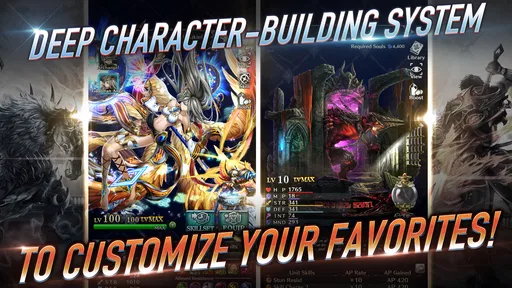
The most distinctive reason I’d try it is the way the game encourages custom character development. The flexible training system, arcs and equipment give me more to consider than simply picking a character and repeating the same attack. A useful habit is to pause after a difficult fight and ask whether the problem came from the team’s setup or from how I handled the action. Changing one part at a time makes it easier to learn what is helping instead of rebuilding everything at once.
That experimentation gives the game a personal edge. Two players can approach the same challenge with different priorities, and finding a combination that suits my play style feels more engaging than chasing a single obvious answer. The trade-off is that choices can seem confusing early on. I would avoid trying to optimize every character immediately; understanding a few useful options first is less tiring and makes later decisions feel more meaningful.
For someone who likes RPGs as much for progression as for combat, this is the main attraction. The game asks for attention, but that attention can pay off in a satisfying way: a battle that once felt awkward may become manageable after adjusting how a character is trained or equipped. If you mostly want a short, uncomplicated diversion, that same layer of decisions may feel like homework rather than a reward.
Worth Reading Before You Choose

EA SPORTS FC Mobile 26 Is a Bigger Football Game, but It Takes Time

Flipboard Shows What News Apps Must Do Beyond the Feed

Switching to Android Auto Means Rethinking Your Driving Routine

Google Calendar Makes a Crowded Week Easier to Manage

Ludo King Makes the Most of the Minutes Between Plans

Baby Panda World Brings Quick Play to Modern Phones, but Its Game Library Feels Busy
A realistic way to fit it into a day
Imagine having a short break after work and wanting to make progress without setting aside an entire evening. I’d use that time for a battle or a small bit of character management, relying on automatic fighting only when I wanted a breather. Later, when I had more focus, I could return to the team setup and think through what to change. The useful distinction is not that every session needs to be long, but that the game offers different kinds of attention: watching a fight, taking direct control, or planning development.
When a battle is going well, direct control makes the action feel immediate. When I’m tired or want to focus on the bigger picture, automation can reduce the effort of handling every moment. I wouldn’t treat automatic play as a substitute for understanding the system, though. If a team repeatedly struggles, letting it fight on its own may only make the same weakness less obvious. Switching between active play and automation is a practical way to keep sessions comfortable while still learning what works.
How it compares with other RPG approaches
Compared with a largely automatic mobile RPG, LAST CLOUDIA gives me more reason to pay attention to battles and character setups. Compared with a traditional console-style role-playing game, its mobile format and ability to let characters fight automatically can make it easier to fit around a busy day. Neither comparison makes it the right choice for everyone. Players who want a compact, fully hands-on action game may prefer something with less emphasis on long-term character planning, while people seeking a very lightweight idle experience may find this one asks for more involvement.
Story-focused players have another decision to make. LAST CLOUDIA places its fantasy narrative alongside its combat and customization, so it can appeal to someone who wants an ongoing adventure rather than isolated matches. If you mainly want competitive play or quick rounds with little story, a different type of game may suit you better. I’d choose this one when I want narrative context and progression to give battles a reason to matter, not when I’m looking for a purely social or pick-up-and-play match.
Switching from another RPG is not just a matter of carrying over familiar habits. The value here comes from getting comfortable with its own mix of direct fighting, automation and development choices. I’d give myself time to learn the menus and systems before deciding whether the pace works for me. If I expect every mechanic to behave like the one in my last game, I’m more likely to feel friction; approaching it as a different style of RPG makes the adjustment easier.
The World of Last Cloudia
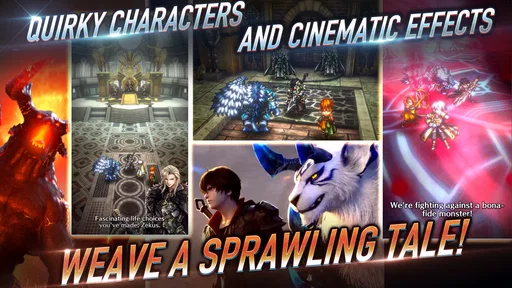
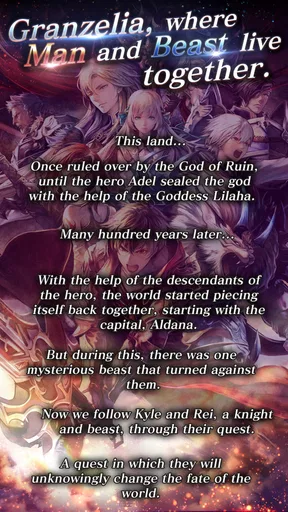
Right off the bat, Last Cloudia plunges you into a richly detailed universe where magic meets technology. The game is set in a world where humans and beasts coexist, but not always peacefully. The plot revolves around a soldier named Kyle and his beast companion Rei, who embark on a mission to save their world from looming threats.
The storyline is pretty gripping, with plenty of twists and turns that keep you hooked. It's like being in an epic fantasy movie where you get to call the shots. The character development is impressive, and I found myself genuinely caring about what happens to Kyle and Rei as they navigate through various challenges.
Gameplay Mechanics
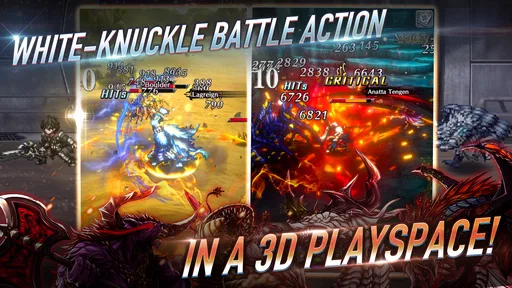
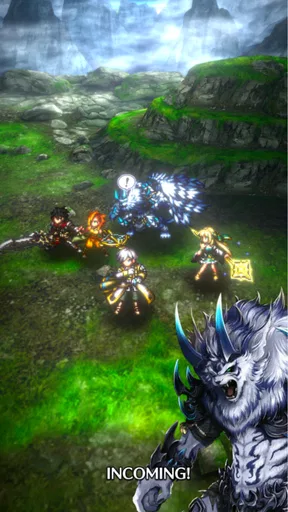
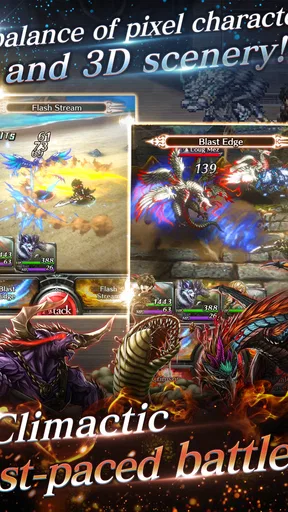
The gameplay is where LAST CLOUDIA truly shines. It's a mix of real-time action and strategic planning. The combat system is fluid, allowing you to unleash crazy combos and special moves with just a few taps. You can control your characters directly or let them fight automatically, which is great for when you need a breather.
One feature I really enjoyed is the ability to customize your characters. You can equip them with different arcs and equipment, each offering unique skills and bonuses. This level of customization adds a personal touch to the game and makes every player's experience unique.
"The combat system is fluid, allowing you to unleash crazy combos and special moves with just a few taps."
Graphics and Sound
Visually, LAST CLOUDIA is a treat. The characters are beautifully designed, and the environments are lush and detailed. The animations during battles are smooth, making the combat sequences thrilling to watch. It’s like the developers poured their hearts into every pixel.
The soundtrack is equally impressive. The music complements the fantasy setting perfectly, and the voice acting adds depth to the characters. Whether it's the intense battle themes or the calming melodies when exploring, the audio experience enhances the overall immersion.
Community and Updates
One of the things that keep me coming back to LAST CLOUDIA is its active community. There’s always something new to discover, from fan art to strategy guides. The developers also do a fantastic job of keeping the game fresh with regular updates and events.
These updates often introduce new characters, arcs, and special challenges, ensuring there's always something to strive for. Plus, the developers are receptive to feedback, which is a big plus in maintaining a healthy game environment.
Learning Curve
Now, if you're new to this type of game, the learning curve can be a bit steep. There are tons of features and mechanics to wrap your head around. But don’t fret—there are plenty of tutorials and resources available to help you out. Once you get the hang of it, it’s smooth sailing.
Personally, I found the effort well worth it. The more I played, the more I appreciated the depth and complexity of the game. It's one of those games where patience pays off, and the rewards are incredibly satisfying.
Final Thoughts
So, would I recommend LAST CLOUDIA? Absolutely! If you enjoy RPGs with robust stories, dynamic combat, and a touch of strategy, this game is definitely worth your time. Just be prepared to get sucked into its world for hours on end.
Whether you're a seasoned RPG player or just someone looking for a new adventure, LAST CLOUDIA offers a magical journey that’s hard to resist. So, dive in, explore the world, and see what stories you can uncover!
Who I’d recommend it to
I’d point a story-minded RPG fan toward LAST CLOUDIA if they enjoy seeing a cast grow alongside the plot and like having some control over how battles unfold. It is also a good fit for players who enjoy revisiting a character setup, testing a different combination and noticing how that changes a fight. Those are the moments when its systems feel connected rather than like separate menus to manage.
I would be more cautious about recommending it to someone who dislikes layered progression, wants every session to be brief and immediately rewarding, or has no interest in making choices about training and equipment. The automatic option can ease the moment-to-moment demands, but it doesn’t turn the game into a hands-off idle title. If your ideal RPG is one where the build choices barely matter, this may be more involvement than you want.
Making the most of the learning curve
My practical advice is to resist changing several things at once when a battle goes badly. Try adjusting a character’s equipment or training approach, then see whether the next attempt feels different. This makes the game’s customization easier to understand and prevents the common frustration of making a handful of changes without knowing which one helped. It also gives you a clearer sense of what kind of role you want each character to play.
Another useful approach is to treat guides as explanations, not instructions to copy blindly. A setup that works for someone else may not match the characters or choices you are currently using. I’d use community advice to learn what an option does, then test it in my own team. That keeps experimentation enjoyable and avoids turning progression into a checklist.
Sound and presentation also affect how I’d choose to play. The music and voice acting support the story, while the detailed visuals make battles more enjoyable to watch. If I’m playing somewhere I can pay attention, I prefer to keep the sound on and take in the atmosphere. In a noisy or quiet setting, the game can still be approached as a battle-and-planning experience, but some of its cinematic appeal naturally gets lost.
Time, spending and the final call
Before spending, I’d first decide whether I enjoy the game’s core loop without purchases. Optional items can cost from $0.99 to $99.99 each, a wide range that makes it sensible to set a personal limit rather than treating a purchase as necessary for getting started. The free entry point lets you judge the story, action and customization for yourself; I would only consider paying if I already knew what I wanted from the game and felt the cost was worthwhile.
Ultimately, I recommend LAST CLOUDIA to players who want a fantasy RPG with a continuing story, active battles and room to shape character development. Its strongest appeal is not simply that there is a lot to do, but that learning how its pieces work can make progress feel earned. If you prefer a simpler alternative, a game centered on short matches or mostly automatic progression may be a better fit. For me, this is worth trying when I’m in the mood to settle into a world and make thoughtful choices, rather than just fill a spare minute.
Pros
- Stunning graphics and detailed animations.
- Engaging storyline with rich character development.
- Diverse gameplay modes keep it fresh.
- Regular updates and events enhance longevity.
- User-friendly interface for smooth navigation.
Cons
- Can be resource-heavy on older devices.
- In-app purchases can be pricey.
- Occasional server maintenance downtime.
- Some modes feel repetitive over time.
- Learning curve for new players.
FAQs for LAST CLOUDIA
What is the main objective of Last Cloudia?
Last Cloudia is a mobile role-playing game (RPG) that combines strategic combat with an engaging storyline. Players embark on an epic journey through a vast world, battling monsters and forming alliances. The main objective is to build a powerful team of heroes, develop their skills, and uncover the mysteries of the game’s expansive universe.
Is Last Cloudia free to play?
Yes, Last Cloudia is free to download and play on both Android and iOS platforms. However, it does include in-app purchases. Players can buy various items, such as character upgrades and special gear, to enhance their gaming experience. It’s important to manage these purchases to avoid unexpected charges.
What are the system requirements for Last Cloudia?
To run Last Cloudia smoothly, Android users should have a device with at least Android 5.0 or higher, while iOS users need iOS 10.0 or later. The game requires a stable internet connection and sufficient storage space, typically around 2GB, to download and install additional game data efficiently.
How does Last Cloudia handle multiplayer interaction?
Last Cloudia offers both solo and multiplayer modes. Players can collaborate with others in co-op battles to tackle challenging enemies and earn rewards. The game also features a guild system where players can join or form guilds, participate in events, and communicate with other members to enhance the cooperative experience.
Are there any tips for beginners in Last Cloudia?
Beginners should focus on completing the main story missions to unlock characters and resources. Prioritize upgrading your team’s skills and equipment. Participate in daily quests and events for additional rewards. Joining a guild can provide valuable support and advice from more experienced players, making the early stages of the game more manageable.


